Trusted by 500+ artists
Increase your visibility
Trusted by 500+ artists
Increase your visibility
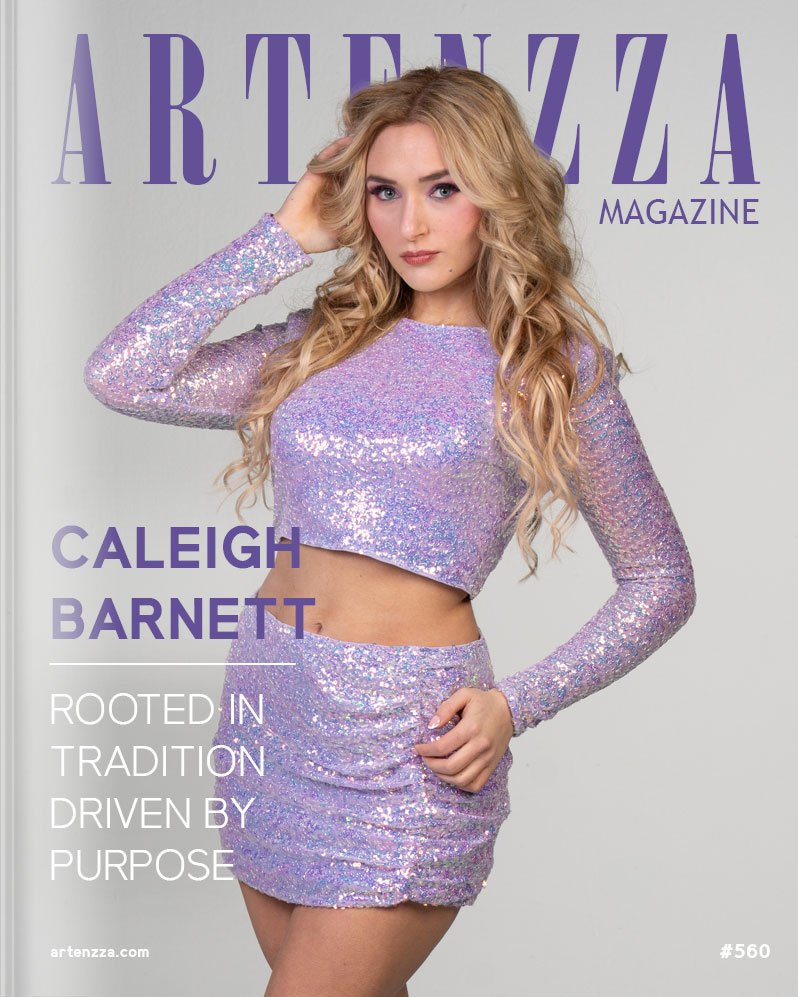
Singer, Songwriter & Musician

Your journey moves fluidly between music, modeling, and advocacy. When did you first realize that all these paths could coexist rather than compete with each other?
Music was the first thing that ever truly called to me, and it remains the foundation of everything I do. As I began modeling and participating in pageantry, I realized those platforms didn’t have to pull me away from music — they could amplify it. Pageantry, in particular, gave me the confidence and visibility to combine my creative passions with my heart for service. That realization ultimately led to founding The Rhythm & Relief Project, where music, advocacy, and public presence work together rather than separately.
As a vocalist and multi-instrumentalist, how does switching between guitar, piano, and fiddle shape the way you write or interpret a song on stage?
Each instrument brings out something different in me emotionally and creatively. Piano is my favorite instrument to write on because the lyrics tend to flow more naturally, and I feel deeply connected to the story as it unfolds. Guitar often grounds me rhythmically, while fiddle connects me to the bluegrass tradition and the roots of the music I love. Switching instruments allows me to approach the same song from multiple emotional angles, both when writing and performing live.
Performing with artists like The Charlie Daniels Band and Chris Young at such an early stage is huge. What did those moments teach you about presence, discipline, or confidence as a performer?
Those experiences taught me that fear has no place in pursuing your dreams. From meeting Charlie Daniels at a young age to later performing beside artists I admired, I learned the importance of walking on stage with confidence and respect for the music. I also saw firsthand how discipline and consistency coexist at the highest level in order to achieve success. One of the most lasting lessons was realizing that no dream is too big when you approach it with authenticity and courage.
Flatt Out Blue has just released its debut album, which is an exciting milestone. What does this album represent for you personally, beyond the music itself?
This album represents community, history, and shared identity. It is deeply rooted in the Appalachian region and honors the stories of people who have faced hardship with resilience and pride. Beyond the music, it reflects a sense of belonging and responsibility to preserve the traditions that shaped us. Being part of this project feels like contributing to something much bigger than myself.
You have experienced both the music world and the fashion industry at a high level, from New York Fashion Week to Times Square. How do these two creative worlds influence each other in your life?
Both music and fashion are forms of storytelling. Fashion has taught me how to express confidence and identity visually, while music allows me to communicate emotionally. Together, they help me present a fuller version of myself as an artist. Each world sharpens my awareness of expression, presence, and authenticity.
Pageantry opened unexpected doors for you, including signing with MMG in New York. What inner strengths did that experience help you discover?
Pageantry helped me discover confidence, discipline, and resilience. It pushed me to speak clearly about who I am and what I stand for, while also learning how to handle pressure and expectations. Most importantly, it reinforced the idea that success means staying true to your values while embracing growth and opportunity.
The Rhythm & Relief Project is deeply connected to service and healing. What was the personal moment or story that sparked the creation of this project?
The project was inspired by my family, my community, and my grandfather, who was both a musician and a World War II veteran. I grew up seeing firsthand the struggles of food insecurity in local communities and developed a deep respect for veterans who have sacrificed so much. I wanted to use music as a way to give back, bringing people together through benefit concerts that create real impact.
Using benefit concerts to raise funds for food insecurity and veterans with PTSD and TBI blends art with purpose. How has giving back reshaped the meaning of success for you?
Giving back has completely redefined success for me. Success is not just about personal achievement, but about whether my work makes a difference. Seeing music directly support families and veterans has shown me that impact and purpose are just as important as recognition.
When audiences come to see you perform live, especially at an iconic venue like The Mint, what do you hope they feel or carry with them after the show ends?
I hope audiences leave feeling connected — to the music, to the stories, and to one another. Whether they feel joy, nostalgia, or comfort, I want them to feel seen. If someone walks away feeling understood or inspired, then I’ve done my job as an artist.
Looking ahead, as you continue to grow as an artist and advocate, what kind of legacy do you hope your voice and actions will leave behind?
I hope to leave behind a legacy rooted in authenticity, compassion, and service. I want my voice to represent honesty and my actions to reflect purpose. If my work encourages others to stay true to who they are while giving back, that would mean everything to me.
If you could give three pieces of advice to someone just starting out in music, or the arts, what would they be?
First, stay authentic — your individuality is your greatest strength.
Second, don’t be afraid of hard work and discipline; growth comes from consistency.
Third, use your art with purpose. When you create from the heart and for others, success takes on a deeper meaning.
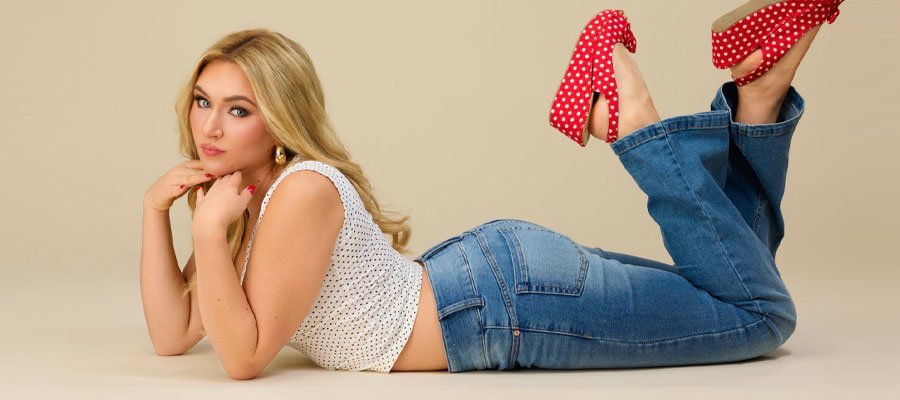
Do you want to know more? You can find some projects below.
Spotify Playlist