Trusted by 500+ artists
Increase your visibility
Trusted by 500+ artists
Increase your visibility
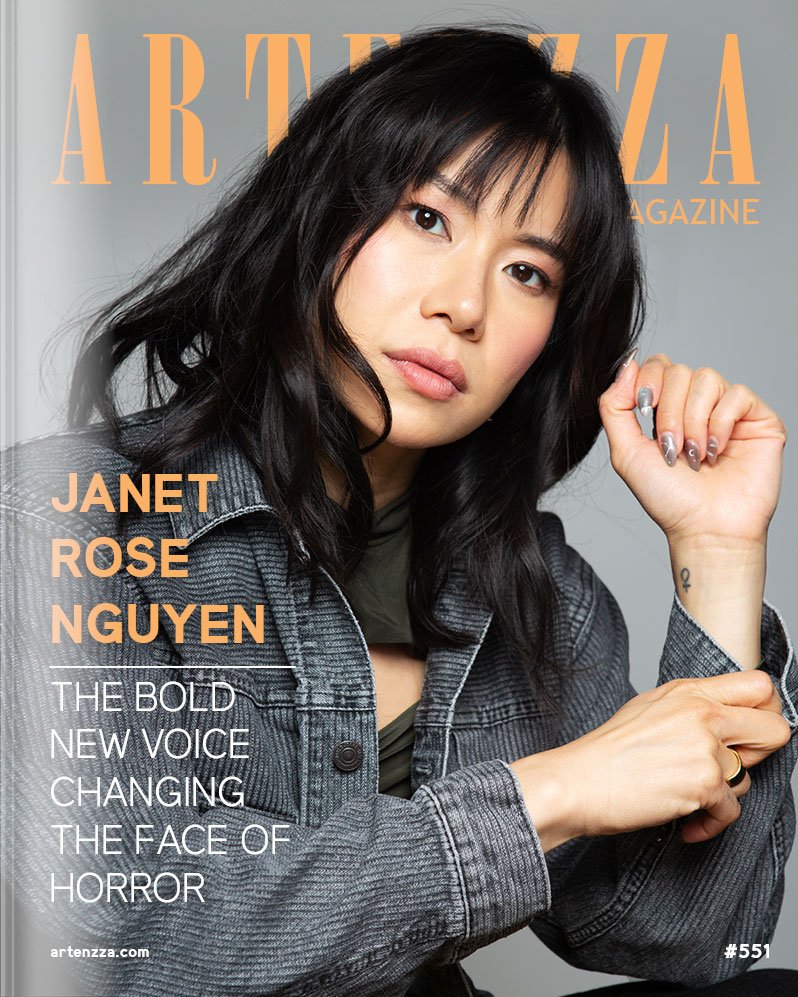
Filmmaker, Writer & Director
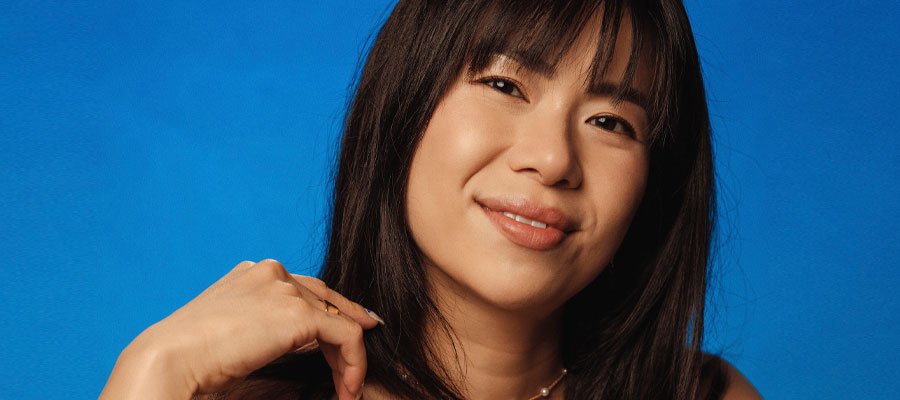
Janet-Rose, congratulations on the premiere of Do You See Her?. This film feels both intimate and terrifying. How did this story first come to you, and what made you realize it had to be told through horror?
It was inspired by my poor eyesight! I used to have terrible myopia. I’ve had eye correction surgery since then but it was so bad that my phone would have to be held one inch away from me to be clear. This idea was born when, more than once, I was falling asleep and saw a creepy figure – I put my glasses back on and it ended up being a pile of clothes. The fear I felt in that moment, especially being so vulnerable with poor eyesight, made me realize how much fun we could have in making a film on this concept. Also, I feel that the experience of vision is so untapped that there are so many ways to play with it in film!
You’ve said the film was inspired by your own experience of needing glasses since childhood. How did that very personal fear of not trusting your senses shape the emotional core of the story?
I knew I wanted to get deeper and was inspired by Smile – because that movie was actually scary but also used the analogy of mental health. I wanted to explore that with Katie’s perspective – of not being heard, or listened to, and experiencing something that others can dismiss as “not real”. And, like in real life, the consequences of not addressing or finding help with mental health can spill out and harm those we love.
Do You See Her? explores perception and reality in such a visceral way. What did you want the audience to feel in those moments when Katie questions what’s real and what isn’t?
I wanted the audience to feel unsettled, to feel claustrophobic in the space with Katie and empathize with her. I also wanted there to be this recognition in those of us who have had mental health issues and the recognition of what it is to be unheard when you’re dealing with these things.
There’s a beautiful duality in your work, the fragility of human emotion alongside something deeply unsettling. How do you find that balance between horror and humanity?
Thank you so much for that. It’s a really big compliment to have achieved what you said. Horror as a genre is so life or death and lives in the extremes – that’s why it goes so well with comedy! For this film I wanted to live in a vulnerable space – inspired by how Katie feels without her glasses, feeling unheard by her mom and unseen by her ex-girlfriend. The balance is found by grounding your characters in reality, and then having amazing actors that can bring this to life helps so much!
We’re seeing an incredible wave of women, queer, and filmmakers of color redefining horror right now. What does it mean to you to be part of that movement, and how do you see your voice within it?
To call these talented folks among my peers means the world to me. Horror is an amazing vehicle to explore culture, trauma, and sociopolitical realities, so I think it makes sense that the genre is so attractive to the marginalized. Often, our existence can feel like a horror film, so why not push it to the extremes and say something meaningful while having fun? I see my voice as someone who wants to push forward Vietnamese representation, as well as the voice of nuanced female and non-binary and queer protagonists. I want to be able to contribute to the conversation but also have a lot of fun with it whether I am using humor or horror. Of course, I want to be able to provide an escape to my audience as well.
Your films often explore queerness, identity, and the Asian diaspora through genre. Why do you think horror is such a powerful lens to talk about belonging and fear?
When you watch a horror film it is literally “Life or Death”, so a story in that world already has extremely high stakes to examine the world in. I think horror gives us an interesting way into social commentary because of this high stakes nature. For example, if the horror film is about a date, it isn’t just a date, it’s a life threatening situation with extreme consequences, and then because of this you are inherently examining the social and power structures surrounding that date and what it says about our own world. Whether you use ghosts or gore, horror can be applied to so many elements of being “othered” so I think it’s a powerful tool to explore the world!
Canadian cinema is evolving, and you’re clearly helping shape its future. How do you think Canadian horror and especially your generation of filmmakers is changing the global perception of the genre?
Thank you so much, that means a lot to me! I think we have SO much talent in Canada! We are often seen in the USA’s shadow but so many Canadians are powerhouse talents in front of and behind the camera. In my generation, I think that the diverse landscape of Canada is being reflected in the genre films that are coming out. We get voices of people from all different cultures, life experiences, and expressions to tell unique stories. I think because “Canadian Content” is so undefined, and that the films you see in festivals are usually about a specific Canadian experience, that we as filmmakers feel free to experiment and get creative in the genre space because we are almost creating our own spaces to explore things outside of a drama, coming-of-age, lens.
The practical effects and restrained visuals in Do You See Her? create such a haunting atmosphere. Can you tell me about your collaboration with Jay Bezouska and your approach to making fear feel real without over-relying on spectacle?
Thank you so much! I found Jay on Facebook in a film group and cannot believe how lucky I was as they are incredibly talented and capable of creating whatever whacky idea you give them. We’ve had collaborations on three films now and I definitely want to keep working with them. Our process began by going over the script and speaking about what we needed. Do You See Her? Was my first films with prosthetics/practical effects so I wasn’t sure how far we could go – needless to say, I am addicted to having them in my films now! We would meet online and discuss ideas from the script. I would show illustrations and sketches and it was basically ideating together and then Jay would go off and come up with something incredible. Jay has made me some amazing props and prosthetics that you will see in my next films!
You’re already in post-production for your debut feature, Welcome to Kurosawa House. How did your experience on Do You See Her? influence the way you’re approaching that project?
“Do You See Her?” was a passion project that my Director of Photography, Ismail Alberto Ali, and I wanted to shoot before he left the country, so it was thrown together and a short day of shooting. I ended up writing, producing, and editing it on top of directing it – so I learned A LOT from what I “should” have done or “could” have done better, especially in wearing so many hats. The biggest takeaway was being truly prepared and having my vision clear not just in my head, but in a way that I could convey to the people around me. So much of being a director is being able to communicate clearly what you are trying to achieve. It’s not enough to be vague and say “I want the shot to be nicer” it’s important to explain how and why, specifically, because you have multiple teams that are working with you to get what you want.
“Do You See Her?” really showed me how I needed to up my game in my prep process. On my next film sets I was prepared for each scene and shot with extensive storyboards, diagrams, and shot lists, and knew exactly what I was trying to do. I kind of “winged it” on Do You See Her! This all led to me being extremely prepped on Welcome to Kurosawa House and ensuring I knew what I was trying to achieve. Even then, there is always so much to learn on a film set and more “Shoulda, woulda, couldas”!
And finally, when audiences leave the theater after watching Do You See Her?, what do you hope stays with them once the lights come up?
I would love for them to want to know what happens next, or have more questions about Katie and Mia and the monster in the film! As a filmmaker we never want to overstay our welcome but be more of a lingering question in the audience’s minds. I hope that they are moved by Ivy Miller’s wonderful performance, and I hope when they close their eyes – or take their glasses off, they might see the frightening creature!
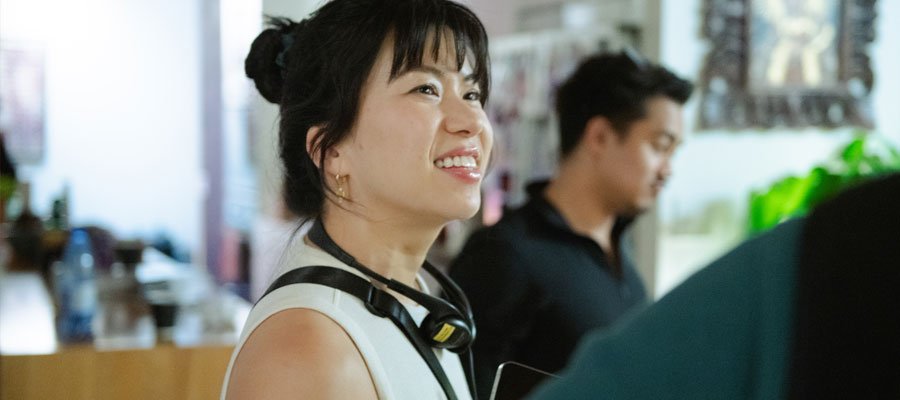
Do you want to know more? You can find some projects below.
Spotify Playlist