Trusted by 500+ artists
Increase your visibility
Trusted by 500+ artists
Increase your visibility
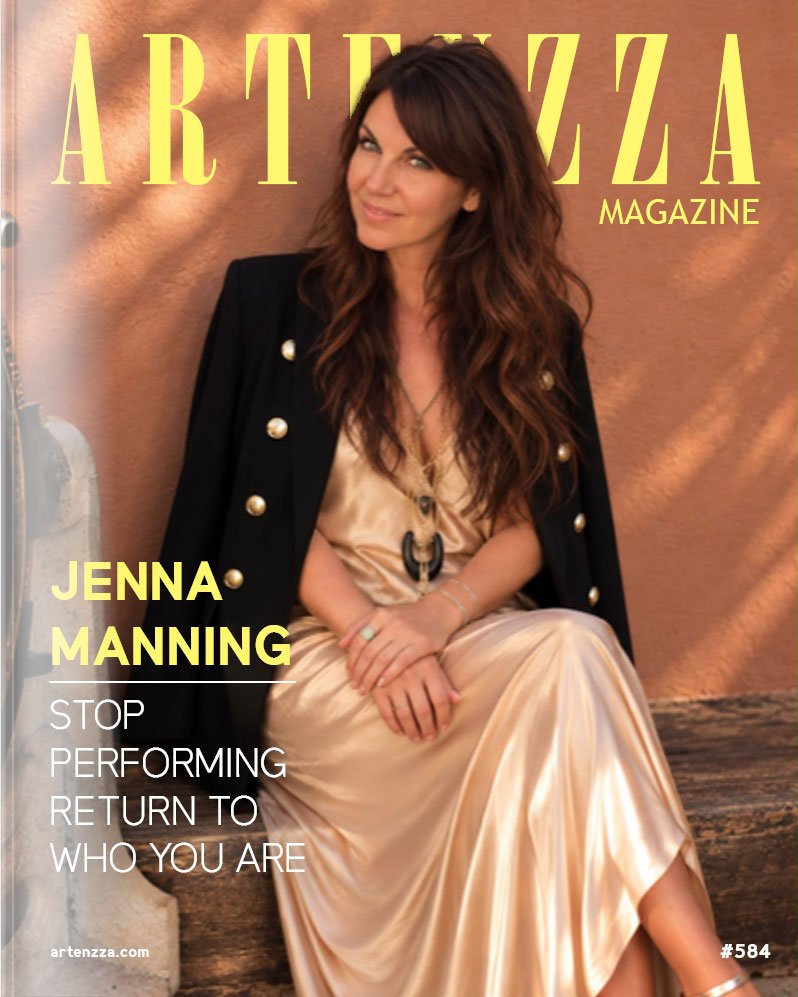
Actor & Transformational Mentor
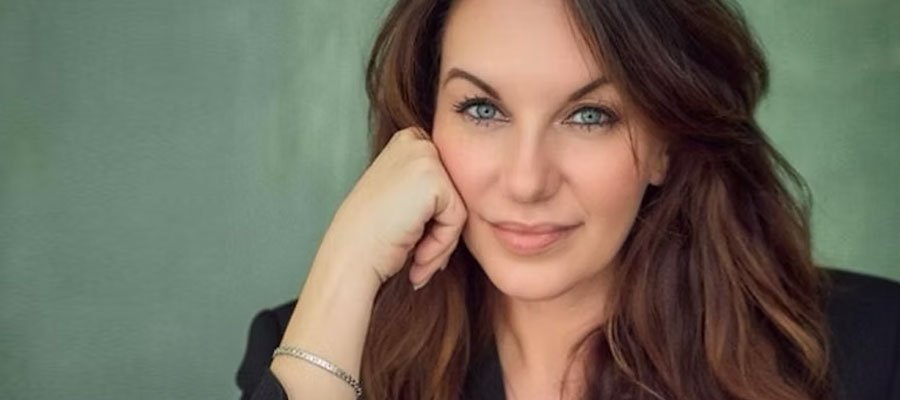
What first drew you to the world of acting and the creative industries, and how did that journey eventually lead you into transformational mentoring?
I was always fascinated by people, identity and the stories we tell through our lives. Acting gave me a way into that world, but over time I became just as interested in what was happening underneath the performance. Why does one person walk into a room and own it, while another equally talented person apologizes for taking up space? My work evolved very naturally from there. I realised that so much of what holds people back isn’t a lack of talent. It’s the relationship they have with themselves. That became the real work for me.
You have worked on both sides of the industry, as a talent agent and as a mentor. How has experiencing both perspectives changed the way you understand success?
It’s made me much less interested in success as something that simply happens to you from the outside.
As an agent, I’ve seen incredible talent get opportunities because they were ready to be seen, not necessarily because they were the most technically perfect person in the room. As a mentor, I’ve seen what happens when someone changes internally and suddenly their external world starts responding differently. Talent matters. Strategy matters. But identity is often the piece nobody is talking about.
You often talk about the difference between external visibility and the internal work required to truly step into it. Why do you think so many talented people struggle to make that connection?
Because being visible can feel incredibly exposing. We say we want to be seen, but being truly seen means letting go of some of the protection we’ve built around ourselves.
People often think they need more confidence, more followers, another qualification or one more opportunity. Sometimes what they actually need is permission to stop hiding behind preparation and start trusting themselves.
You can’t sustainably create an external life that is bigger than the identity you’re willing to inhabit internally.
Your work is built around the idea of the “Golden Frequency”. What does that concept mean to you personally, and how can someone begin to recognise their own?
Your Golden Frequency is the version of you that exists underneath the noise. Before the expectations, comparison, conditioning and need for approval.
For me, it’s that feeling of being completely yourself without trying to convince anyone of anything. You become clearer, quieter and somehow more powerful. You recognise it because there is less effort. Things feel more like you. Your body usually knows before your mind catches up.
You talk about transformation as “coming home to who you have always been” rather than becoming someone new. Where do you think we lose touch with that authentic version of ourselves?
Usually, very gradually.
We learn what gets approval. We learn what makes us acceptable. We learn which parts of ourselves are too much, too loud, too ambitious, too emotional or too different. Then we become incredibly good at adapting.
The irony is that many people spend years trying to become successful versions of a person they were never meant to be. Transformation, for me, is the process of remembering what was there before all that.
Actors and creatives often experience rejection, comparison and pressure to fit a certain image. What are some of the identity patterns you most commonly see holding people back?
I see people making rejection mean something about their identity. “They didn’t choose me, therefore I’m not good enough.” I see comparison disguised as ambition, perfectionism disguised as professionalism and people constantly trying to work out what other people want from them.
I also see a lot of talented people waiting to feel confident before they allow themselves to be visible however confidence is often the result of self-trust, not the prerequisite for it.
You have developed your own Golden Frequency Method and Identity Recalibration framework. What led you to create these approaches, and what makes them different from traditional career coaching?
They came from years of seeing the same patterns repeat. People would come to me wanting a career breakthrough, but underneath the career problem there was often an identity problem.
Traditional coaching can sometimes focus heavily on goals, actions and outcomes. My work goes deeper into who you believe you have to be in order to have the life you want.
I’m interested in the recalibration that happens before the breakthrough. Because when the identity changes, your decisions, relationships, boundaries, visibility and opportunities can change with it.
You also talk about recognising each person’s “secret sauce”. What do you think prevents people from seeing and fully owning what makes them unique?
Familiarity. We tend to undervalue the things that come naturally to us because we assume everyone else can do them too.
Your secret sauce is often sitting inside the thing you barely notice about yourself. The way you see something. The energy you bring into a room. The combination of experiences that only you have. The contradictions and idiosyncrasies that make up who you are.
People often spend years trying to improve their weaknesses when their real power is sitting in the thing they haven’t yet realised is extraordinary.
In 2026, you were recognised as Most Innovative Transformational Mentor of the Year. Looking at everything you have built so far, what has been the biggest transformation in your own life and identity?
Learning that I don’t have to force my life into existence. For a long time, I thought being ambitious meant pushing harder, figuring everything out and making things happen. I’ve learned that there is another kind of power in allowing, receiving and trusting myself enough to make space for what is actually aligned.
I think my biggest transformation has been moving from trying to become the woman I thought I needed to be, to becoming completely comfortable being the woman I already am and reclaiming her.
If you could give one piece of advice to an ambitious actor, creative or woman who knows there is more available to her but still feels afraid to step fully into her potential, what would you tell her?
Stop waiting to feel ready.
There will always be another reason to wait, another thing to fix, another person who seems further ahead. At some point you have to decide that your life is not a rehearsal.
You don’t need to become more impressive. You need to become more fully yourself. And then let that version of you lead.
Spotify Playlist